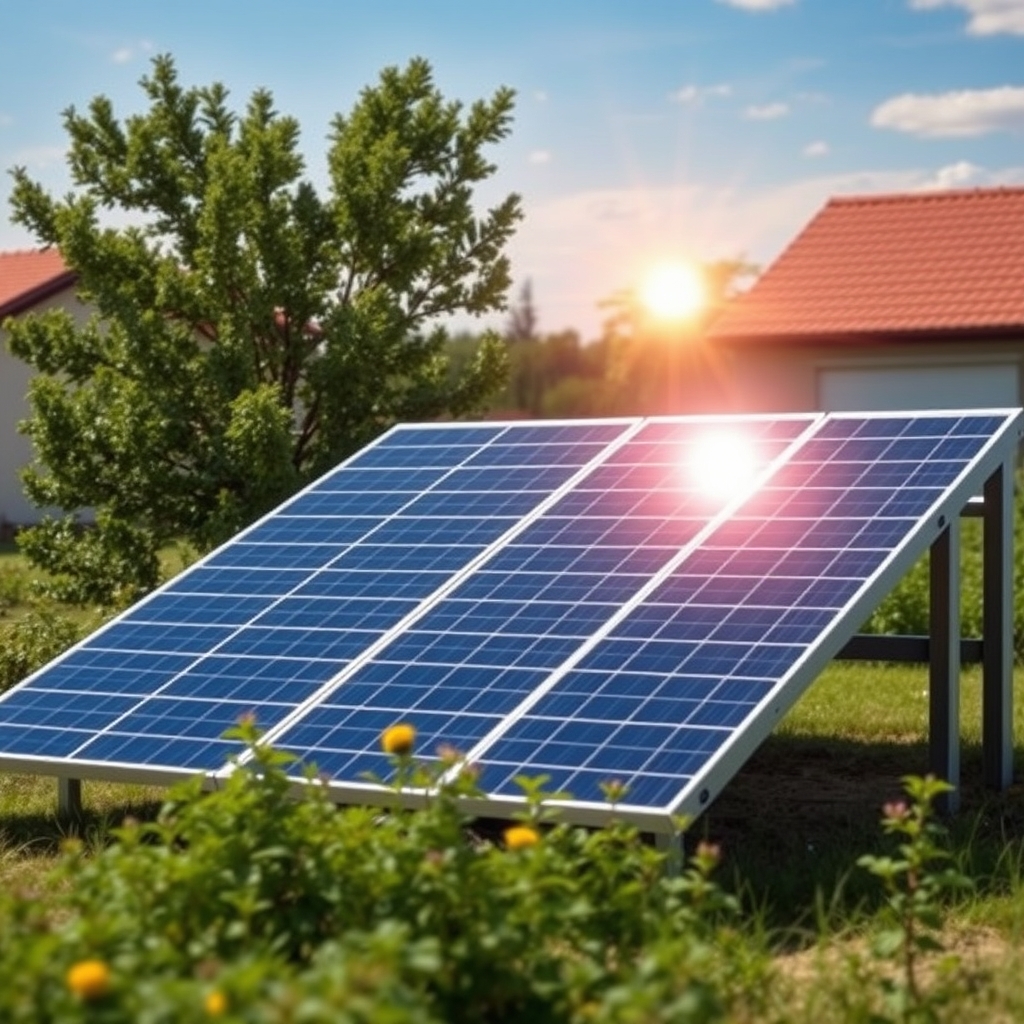
Selecting the optimal photovoltaic (PV) system topology is a foundational engineering decision that determines system reliability, capital expenditure (CAPEX), long-term operational costs (OPEX), and grid compliance. Solar PV systems are broadly categorized into three core electrical configurations: On-Grid (Grid-Tied), Hybrid (Grid-Interactive with Storage), and Off-Grid (Stand-Alone). Each architecture utilizes distinct inverter technologies, energy management strategies, and safety compliance mechanisms.
Understanding the balance-of-system (BOS) requirements, voltage references, and power electronics governing these three configurations is essential when designing utility-scale, commercial, or residential installations. For broader guidance on commercial deployments, explore our commercial solar PV installations.
Overview of Solar System Topologies
The primary technical distinction between solar system topologies lies in how power electronics interface with the external utility grid and localized energy storage. Solar panels generate direct current (DC) electricity, which must be converted into alternating current (AC) synchronized to the frequency and amplitude of the facility's electrical distribution network.
- On-Grid Systems: Rely on an active utility grid reference to maintain frequency (50/60 Hz) and voltage stability. They operate strictly in a grid-following mode without integrated battery storage.
- Hybrid Systems: Integrate bi-directional power conversion to interface simultaneously with the utility grid and a localized battery bank. They can operate in grid-following mode during normal operation and switch to grid-forming mode during power interruptions.
- Off-Grid Systems: Electrically isolated from the utility grid, relying entirely on localized power generation, battery energy storage systems (BESS), and auxiliary generators to establish independent voltage and frequency parameters.
On-Grid (Grid-Tied) Solar PV Systems
On-grid solar PV systems represent the most widely deployed topology globally due to their high efficiency, relative technical simplicity, and lowest initial CAPEX. In an on-grid architecture, string or central inverters convert DC power from PV arrays directly into AC power synchronized with the utility grid.
Grid-Following Inverter Mechanics
On-grid inverters operate as current sources. They require an external AC reference voltage and frequency from the grid to drive their internal pulse-width modulation (PWM) switching circuits. Without a continuous grid signal, the inverter cannot generate alternating current.
Anti-Islanding Safety Protocols
A critical technical requirement for on-grid systems is anti-islanding protection. Under standards such as the IEEE 1547 standard for interconnection and IEC 62116 / EN 50549, an on-grid inverter must automatically disconnect from the grid within milliseconds of a power outage. This prevents dangerous backfeeding into de-energized utility distribution lines, protecting electrical line workers performing repairs.
Economic and Balance of System (BOS) Advantages
Because on-grid systems eliminate battery storage, their Balance of System (BOS) costs are significantly lower than hybrid or off-grid alternatives. Surplus energy generated during peak sunlight hours can be exported back to the electrical grid under net-metering agreements or feed-in tariffs. However, when the utility grid experiences an outage, on-grid systems shut down entirely, offering zero backup power capabilities during blackout events.
Hybrid Solar Systems with Battery Storage
Hybrid solar architectures bridge the gap between grid dependence and absolute autonomy by pairing PV arrays with advanced battery energy storage systems (BESS). According to the NREL hybrid energy systems research, combining multi-source power systems with active storage controls improves energy resilience and grid-edge stability.
Bi-Directional Inverter and ATS Architecture
At the center of a hybrid system is a multi-mode or bi-directional inverter paired with an Automatic Transfer Switch (ATS). Under normal grid operations, the hybrid inverter acts in a grid-following capacity, supplying localized loads while charging the energy storage unit or exporting excess generation to the utility grid. When a utility outage occurs, the ATS isolates the facility from the grid in tens of milliseconds, and the hybrid inverter transitions into a grid-forming operational state to create a stable local AC microgrid.
Energy Management Strategies
Hybrid systems unlock sophisticated software control strategies, including:
- Self-Consumption Optimization: Storing daytime solar energy in batteries to power facility operations during evening hours, maximizing local usage.
- Time-of-Use (TOU) Peak Shaving: Discharging stored battery energy during peak utility tariff hours to minimize demand charges and reduce overall utility bills.
- Zero-Export Control: Modulating solar output or diverting power to storage in regions where utility grid codes restrict feed-in power.
Facilities requiring continuous operational continuity often pair hybrid architectures with critical load panels or dedicated uninterruptible power supply (UPS) systems for zero-ms transfer compliance.
Off-Grid (Stand-Alone) Solar Systems
Off-grid systems are engineered for remote geographical areas, industrial off-grid telecommunication towers, agricultural pumping stations, or facilities completely severed from the public electrical distribution grid. Off-grid systems must independently satisfy 100% of the connected load demand 24 hours a day, 365 days a year.
Voltage-Forming Inverters and MPPT Controllers
Unlike grid-following units, off-grid inverters are pure voltage sources. They create their own stable voltage and frequency waveforms without external grid reference. Direct current generated by the solar array flows through high-efficiency Maximum Power Point Tracking (MPPT) charge controllers to regulate charging parameters into the battery bank before conversion to AC power.
Battery Bank Sizing, DoD, and Surge Currents
Off-grid engineering requires rigorous load profiling. System designers must size battery banks based on critical engineering parameters:
- Days of Autonomy: The number of consecutive overcast days the battery bank must supply power without solar generation support (typically 2 to 5 days).
- Depth of Discharge (DoD): Design limits to preserve battery life span—typically up to 80-90% for Lithium Iron Phosphate (LiFePO4/LFP) compared to 50% max for traditional Valve-Regulated Lead-Acid (VRLA) batteries.
- C-Rate and Inrush Current Support: Off-grid inverters must be sized to endure high initial surge currents from inductive loads like electric motors, compressors, and heavy HVAC equipment.
To ensure long-term reliability during extended seasonal weather disruptions, off-grid systems typically integrate automatic generator start (AGS) modules tied to auxiliary diesel or gas generators.
Comparative Technical Decision Matrix
The following table summarizes the primary electrical differences, operational traits, and application criteria for each topology as outlined by the U.S. Department of Energy guidance on PV topologies:
| Technical Parameter | On-Grid (Grid-Tied) | Hybrid (Grid + BESS) | Off-Grid (Stand-Alone) |
|---|---|---|---|
| Grid Connection Required | Yes (Mandatory) | Yes (Optional Backup) | No (Fully Isolated) |
| Inverter Operating Mode | Grid-Following | Grid-Following / Grid-Forming | Grid-Forming |
| Battery Storage Integrated | No | Yes (LFP / Li-ion) | Yes (Mandatory) |
| Operation During Outage | System Shuts Down | Seamless Backup (ATS) | Uninterrupted Autonomy |
| Anti-Islanding Required | Yes (IEEE 1547 / IEC 62116) | Yes (On Grid Side) | N/A (No Grid Link) |
| Relative CAPEX | Lowest | Moderate to High | Highest |
| Primary Use Case | Cost reduction via Net-Metering | Resilience & Peak Shaving | Remote Infrastructure |
Engineering Limitations and Compliance Constraints
Choosing the correct topology requires evaluating site-specific physical, regulatory, and environmental constraints:
- Battery Degradation & Thermal Management: Extreme ambient temperatures significantly impact battery life. Hybrid and off-grid facilities in high-temperature zones require climate-controlled enclosures and sophisticated thermal management systems.
- Regulatory Net-Metering Rules: Municipal utility rules vary widely. If local grid operators restrict net-metering or enforce strict zero-export regulations, an on-grid system may require active power curtailment meters or transition into a hybrid topology.
- Inverter Derating Factors: High ambient operating temperatures reduce maximum continuous inverter output power. Proper electrical engineering requires calculating derating thresholds based on maximum site ambient temperatures.
For custom engineering consultations or to explore specialized system components, visit our catalog of solar inverters and components or request an engineering site assessment with the EnergyX technical engineering team.